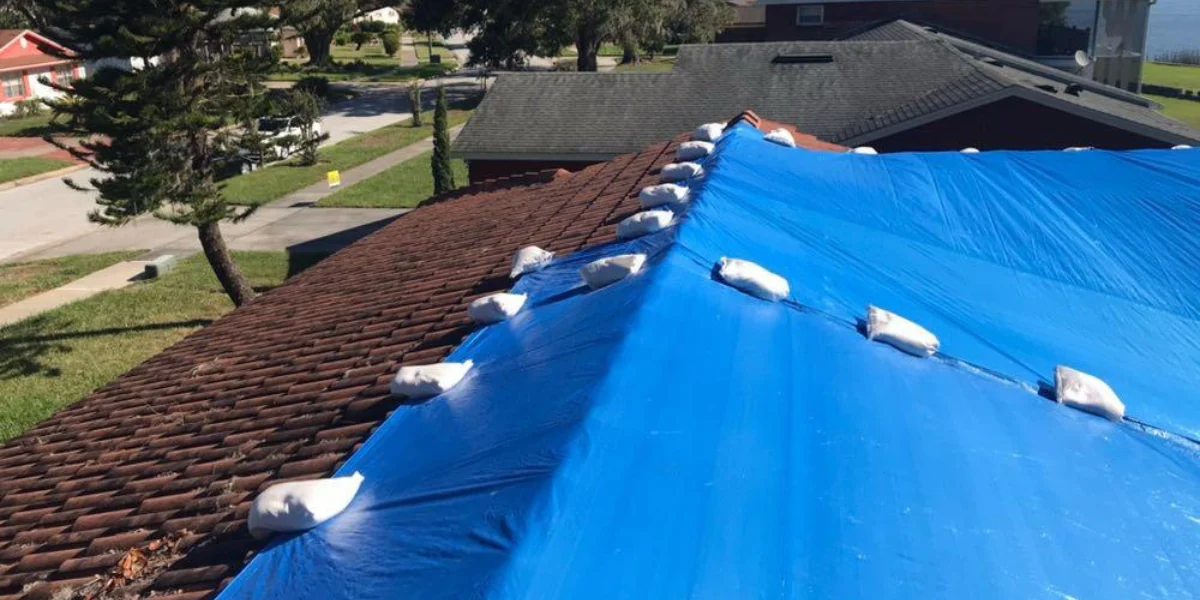
When severe weather or roof damage threatens your home, long-term tarp installations offer reliable temporary protection. At Life Time Home Roofs Inc., George Pantelaras provides secure, professionally installed tarps designed to safeguard your property until permanent repairs are completed.
We begin with an on-site inspection to assess the extent of the damage and determine the best tarp solution for your roof. Our team evaluates stability, moisture risks, and structural conditions to ensure the installation is safe and effective.
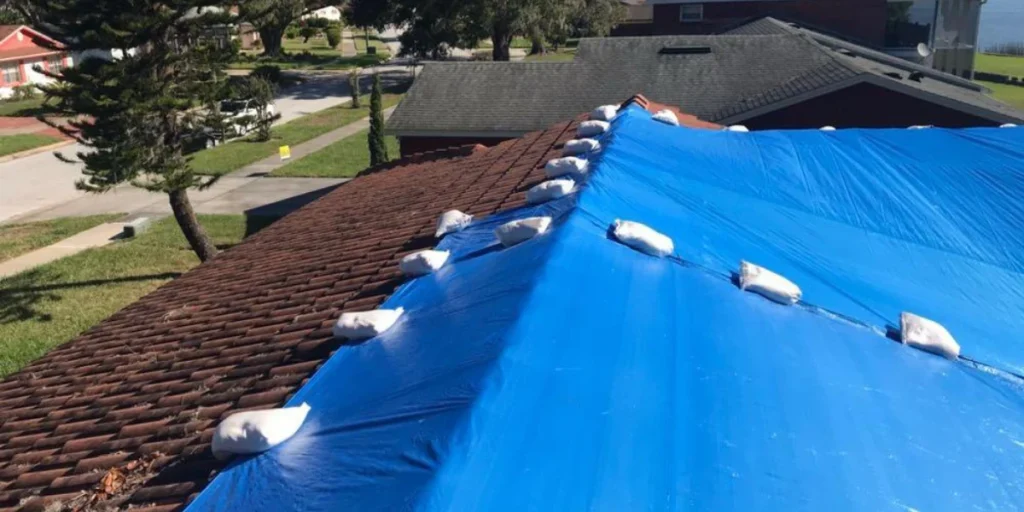
Our tarps are made from high-strength, weather-resistant materials that withstand heavy rain, wind, and sun exposure. They are designed to stay in place for extended periods, giving you dependable protection.
Installation is performed with precision to prevent leaks and movement. We anchor the tarp securely and ensure it fully covers the damaged area, reducing the risk of further deterioration.
A long-term tarp can prevent costly damage from water intrusion, mold, and structural weakening. It buys you valuable time by keeping your home protected until permanent repairs or replacements can be completed.
Throughout the installation, we communicate clearly—explaining what we’re doing, why we’re doing it, and how long the tarp will last. We ensure you feel supported and informed during a stressful situation.
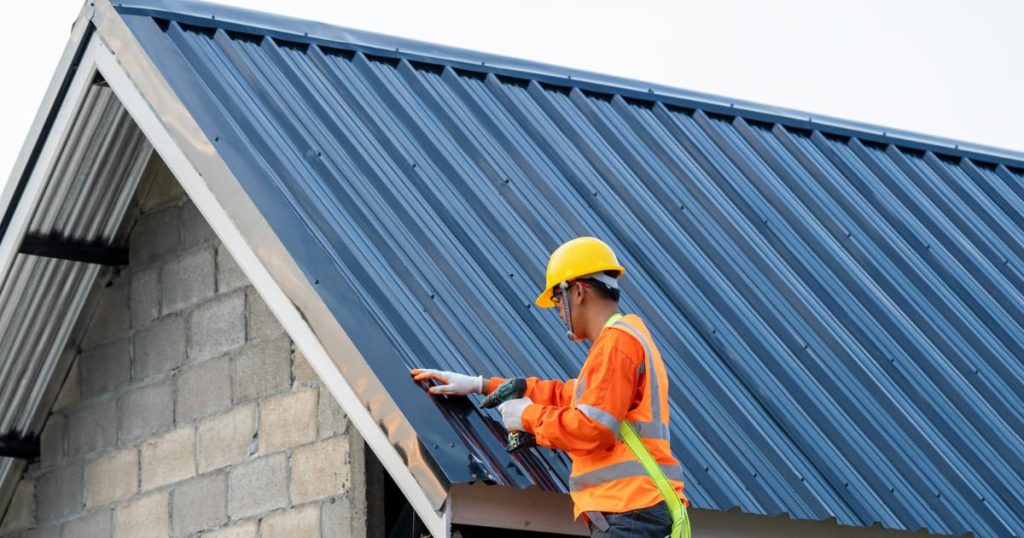
Our team also makes safety a priority. We follow strict guidelines to ensure the tarp is installed securely without causing additional damage to your roofing system.
After installation, we provide tips on monitoring the tarp and help you schedule follow-up repairs when you’re ready. This ensures your roof receives proper long-term care and restoration.
With Life Time Home Roofs Inc., you get emergency protection backed by expertise, reliability, and a commitment to keeping your home safe until full repairs are made.
Long-term tarp installations represent a specialized emergency roofing service that provides crucial protection for homes experiencing roof damage when immediate permanent repairs aren’t feasible. This professional service involves the strategic placement, secure fastening, and weatherproofing of commercial-grade tarps over damaged roof sections to create reliable barriers against water infiltration, weather exposure, and further deterioration. Unlike hastily applied temporary covers that fail after the first storm, professional long-term tarp installations are engineered systems designed to withstand severe weather conditions for extended periods—often weeks or months—while homeowners navigate insurance claims, contractor scheduling, material procurement, and the logistical challenges that inevitably delay permanent roof restoration.
The distinction between amateur emergency tarping and professional long-term installations is substantial and critical. When homeowners attempt DIY tarp coverage, they typically use consumer-grade materials from hardware stores, lack proper anchoring equipment and expertise, cannot safely access or work on damaged roofs, and don’t understand weatherproofing principles that prevent water infiltration around tarp edges. The result is often tarps that blow off in moderate winds, allow persistent leaking despite covering damaged areas, create new damage by flapping against roof surfaces, or fail completely within days or weeks. Professional long-term tarp installations, by contrast, utilize heavy-duty commercial materials specifically designed for extended outdoor exposure, implement multi-point anchoring systems engineered to resist hurricane-force winds, incorporate comprehensive weatherproofing that prevents water infiltration, and are executed by experienced crews with proper safety equipment and installation expertise.
In Florida and other hurricane-prone regions, long-term tarp installations serve as essential emergency services that bridge the gap between catastrophic damage and permanent restoration. After major storms when entire communities suffer roof damage simultaneously, roofing contractors face months-long backlogs, insurance adjusters are overwhelmed with claims requiring weeks to process, specialized materials may require ordering with extended lead times, and weather conditions may prevent proper permanent repairs for extended periods. During all these delays, homes need dependable protection that professional long-term tarp installations provide. These installations represent responsible damage mitigation that insurance companies require and expect, practical solutions to unavoidable scheduling realities, and the peace of mind homeowners desperately need during stressful recovery periods following disasters.
At Life Time Home Roofs Inc., George Pantelaras offers a full range of roofing solutions, includng long term trap roofinng services to meet the unique needs of homeowners in Florida. From durable new roof installations and shingle or metal roofing to expert repairs, attic insulation, radiant barrier energy-saving systems, and long-term tarp installations, we handle every project with precision and care. Our services are designed to protect your home, improve energy efficiency, and enhance its overall value, ensuring you receive lasting results and peace of mind with every job.
Long-term tarp installations encompass several distinct types, each specifically designed for particular damage scenarios, roof configurations, and protection requirements. Understanding these different installation types helps homeowners and property managers appreciate the specialized nature of professional emergency tarp services and why standardized approaches fail to provide adequate protection across diverse situations.
Single-section tarp installations address damage confined to one continuous roof plane without crossing ridges, valleys, or major architectural transitions. These installations typically respond to localized damage from fallen tree limbs, isolated wind damage to specific roof sections, small areas where aging materials have failed, or punctures from debris impact. The tarp is carefully sized to extend substantially beyond all damaged areas—typically 3-4 feet in all directions—ensuring complete coverage with adequate overlap onto sound roof structure. Single-section installations require strategic positioning to follow the roof’s natural water flow patterns, secure anchoring to structural elements surrounding the damage, proper tensioning to prevent wind-driven flapping, and meticulous edge sealing to prevent water infiltration. While these represent the most straightforward installation type, they still demand professional expertise to ensure proper slope orientation, adequate fastener spacing, compatible materials, and effective weatherproofing that creates truly watertight barriers rather than covers that still leak around edges.
Multi-plane tarp installations span across roof ridges, valleys, hips, or multiple interconnected roof sections, requiring significantly more complex planning, specialized techniques, and advanced installation expertise. These installations address extensive storm damage affecting large roof areas, situations where protecting one damaged section requires covering adjacent areas for proper water management, cases where damage straddles roof transitions, or catastrophic failures affecting multiple roof planes simultaneously. Multi-plane installations demand sophisticated understanding of how water flows across interconnected roof surfaces, expert techniques for sealing at ridge and valley transitions where water concentrates, strategic anchoring systems that distribute stress appropriately across different roof planes, and often coordination of multiple overlapping tarp sections when damage exceeds what single tarps can effectively cover. The inherent complexity of multi-plane installations highlights why professional expertise is essential—improper installation can actually create new leak points at transitions, cause water pooling in valleys, or result in tarp failure from inadequate anchoring across multiple surfaces.
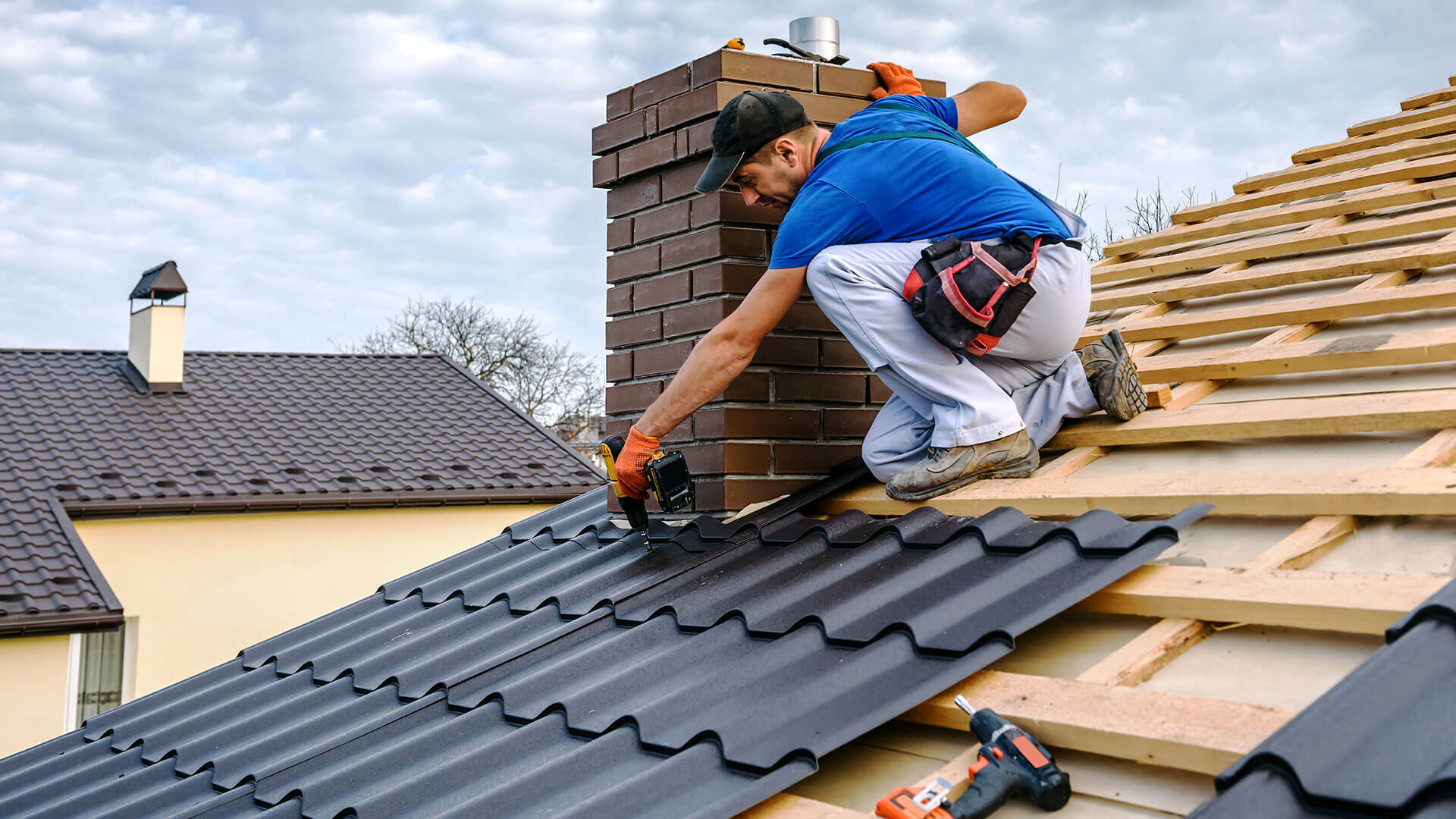
Penetration-integrated tarp installations must effectively work around chimneys, plumbing vent pipes, roof-mounted HVAC equipment, skylights, solar panels, or other roof penetrations that exist within or adjacent to damaged areas. These installations require specialized techniques including custom cutting and fitting around irregular obstacles, strategic material layering to maintain proper water-shedding without creating leak points, selection of compatible materials that won’t damage existing roof features or compromise their function, installation of specialized boots or collars around penetrations, and meticulous attention to creating weatherproof seals at these vulnerable transition points. Professional contractors understand critical nuances of integrating tarps with existing roof penetrations—how to maintain proper clearances around chimneys for safety, how to seal around vent pipes without restricting airflow, how to protect skylights without loading them excessively, and how to create watertight barriers around these obstacles without compromising either the tarp installation’s integrity or the penetrations’ ongoing functionality.
Full-roof tarp installations provide complete coverage over entire roof sections or even entire roof structures when damage is catastrophic, widespread, or affects the majority of roof surface area. Common after major hurricanes, tornadoes, or severe hailstorms that devastate large geographic areas, these extensive installations require enormous quantities of material—sometimes thousands of square feet of heavy-duty tarping, comprehensive multi-point anchoring systems spanning entire roof surfaces with hundreds of secure attachment points, sophisticated planning to manage massive material expanses and prevent water pooling, specialized equipment for handling and positioning large tarp sections safely, and coordinated crews with extensive experience in large-scale emergency roofing operations. Full-roof installations represent the most complex and challenging tarp services, demanding experienced professionals with proven expertise in catastrophic damage response, proper safety protocols for working on severely compromised structures, and the resources to execute quickly when entire homes depend on immediate protection.
Reinforced and layered tarp installations incorporate multiple material layers, additional reinforcement at high-stress points, or enhanced protection systems for situations requiring maximum durability or exceptionally long service periods. These advanced installations might use double or triple tarp layers at edges where wind stress concentrates, specialized reinforcement strips over anchor points to prevent tear-through under high loads, protective sacrificial layers over areas exposed to tree branch abrasion or other mechanical damage, graduated protection systems where different areas receive different reinforcement levels based on specific exposure and risk assessment, and integrated support structures that distribute loads and prevent sagging in large installations. Reinforced installations provide enhanced durability essential for situations where tarps must remain functional for many months, where exposure to extreme weather is anticipated, where previous emergency covers have failed requiring more robust solutions, or where the consequences of tarp failure would be particularly severe.
Professional long-term tarp installations deliver critical, often irreplaceable benefits that protect homes, prevent catastrophic secondary damage, support insurance processes, and provide homeowners with essential peace of mind during challenging recovery periods following roof damage.
Immediate comprehensive protection against progressive damage stands as the most critical and urgent benefit these installations provide. Once roof integrity is compromised—whether from hurricane winds, fallen trees, fire damage, or other causes—every moment of exposure exponentially increases risk of devastating secondary damage that can dwarf original losses. Rainwater pours through openings, saturating insulation that becomes useless and must be completely removed and replaced, destroying drywall ceilings and walls requiring extensive reconstruction, damaging electrical systems creating serious safety hazards and requiring expensive repairs, ruining flooring materials throughout affected areas, destroying irreplaceable personal belongings, family heirlooms, and important documents, and creating ideal conditions for rapid mold growth that threatens health and requires specialized remediation costing thousands of dollars. Professional long-term tarp installations create immediate, effective barriers that stop this catastrophic cascade. The financial difference between having professional protection installed within hours of damage versus leaving roofs exposed for days or weeks often amounts to tens of thousands of dollars in prevented secondary losses—making emergency tarp installation one of the most cost-effective investments homeowners can make following roof damage.
Reliable extended protection during inevitable repair delays addresses the practical reality that permanent roof repairs rarely happen immediately after damage occurs. Following major storms affecting entire regions, qualified roofing contractors face overwhelming backlogs extending months into the future as thousands of damaged homes compete for limited contractor capacity. Insurance companies, similarly overwhelmed with simultaneous claims, require weeks or even months to process claims, send adjusters, approve estimates, and issue payments. Specialized roofing materials may require ordering with extended lead times, particularly after major disasters when suppliers face unprecedented demand. Weather conditions—whether summer thunderstorms, winter freezes in northern climates, or simply periods of persistent rain—may prevent proper permanent roof installation for extended periods even when contractors and materials are available. Throughout all these unavoidable delays, homes need dependable protection that amateur temporary covers simply cannot provide. Professional long-term tarp installations are specifically engineered using commercial-grade materials, proven anchoring systems, and expert installation techniques that remain fully effective for months when necessary. This extended reliability means homeowners can methodically navigate insurance processes, carefully select qualified contractors, and wait for appropriate weather windows without constant anxiety about whether emergency protection will fail before permanent repairs can finally be executed.
Prevention of mold growth and structural deterioration that inadequate temporary covers cannot achieve protects both property value and family health. Water intrusion following roof damage creates ideal conditions for mold colonization within just 24-48 hours of exposure, with spores rapidly spreading through building cavities, HVAC systems, and porous materials. Once established, mold infestations require expensive professional remediation involving containment, removal of affected materials, antimicrobial treatment, and extensive cleaning—costs that easily exceed tens of thousands of dollars beyond original damage repairs. Additionally, prolonged moisture exposure causes wood rot in structural framing, roof decking, and wall studs, compromising structural integrity and requiring far more extensive reconstruction than original damage warranted. Drywall subjected to repeated wetting loses structural integrity and must be replaced rather than simply repaired. Metal components including electrical boxes, HVAC ductwork, and structural connectors corrode and require replacement. Professional long-term tarp installations maintain consistently dry interior environments even through multiple storm systems and extended service periods, preventing the moisture conditions that enable these cascading problems. The health protection alone—preventing family exposure to toxic mold species—makes professional installation invaluable for conscientious homeowners.
Insurance compliance and enhanced claim support provides critical protection for your coverage and financial recovery. Virtually all homeowner insurance policies include specific provisions requiring policyholders to take reasonable steps to mitigate additional damage following covered losses. Failing to protect your home from preventable additional damage can result in insurance companies denying coverage for secondary losses—potentially leaving homeowners personally responsible for tens of thousands in water damage that accumulated because adequate emergency protection wasn’t implemented. Professional long-term tarp installation demonstrates clear, documentable good-faith effort to mitigate damage, strengthening your position with insurers and protecting your coverage. Additionally, professional contractors provide comprehensive documentation including detailed photographs showing damage extent, written descriptions of observed problems and protective measures implemented, material specifications documenting quality of emergency protection, and ongoing condition reports if tarps remain in service for extended periods. This documentation proves invaluable during insurance processing, helping adjusters understand damage severity, supporting claim valuations, and providing clear evidence of responsible property stewardship.
Substantial peace of mind during stressful recovery periods delivers psychological benefits that profoundly impact homeowners’ wellbeing and decision-making capabilities during challenging times. Roof damage creates persistent, exhausting anxiety—constantly checking weather forecasts with dread, worrying about additional damage accumulating daily, dealing with uncertainties about repair timelines and costs, and managing the general disruption roof emergencies create in family life. When professionals secure homes with properly engineered long-term installations, homeowners gain confidence and relief from knowing their homes are comprehensively protected, their families are safe from water infiltration and associated hazards, their belongings are secured against further damage, and they have adequate time to make thoughtful, informed decisions about permanent repairs rather than rushing into poor choices under pressure. This psychological relief allows homeowners to focus mental and emotional energy on other recovery aspects—coordinating with insurance, researching contractors, managing displaced family members, or simply maintaining work and family responsibilities—rather than being consumed by constant worry about their compromised homes. The value of sleeping soundly despite approaching storms, working effectively without constant home concerns, and maintaining family stability during crises cannot be overstated.
Financial protection through damage prevention extends beyond immediate secondary damage to encompass longer-term property value preservation and reduced total restoration costs. Homes suffering extensive water damage, structural deterioration, or mold infestation require dramatically more expensive restoration than those where emergency protection prevented these cascading problems. The cost differential often amounts to 200-300% or more—a home needing only roof repair versus one requiring roof repair plus extensive interior reconstruction, mold remediation, and structural repairs. Professional tarp installation represents a relatively modest investment—typically hundreds to a few thousand dollars depending on damage extent—that prevents additional losses potentially totaling tens or hundreds of thousands of dollars. From pure financial perspective, professional long-term tarp installation may represent the single highest-return investment homeowners can make following roof damage, with cost-benefit ratios that few other emergency measures can match.
Don’t wait for a small leak to turn into a costly problem. Secure your property today with roofing that stands the test of time.
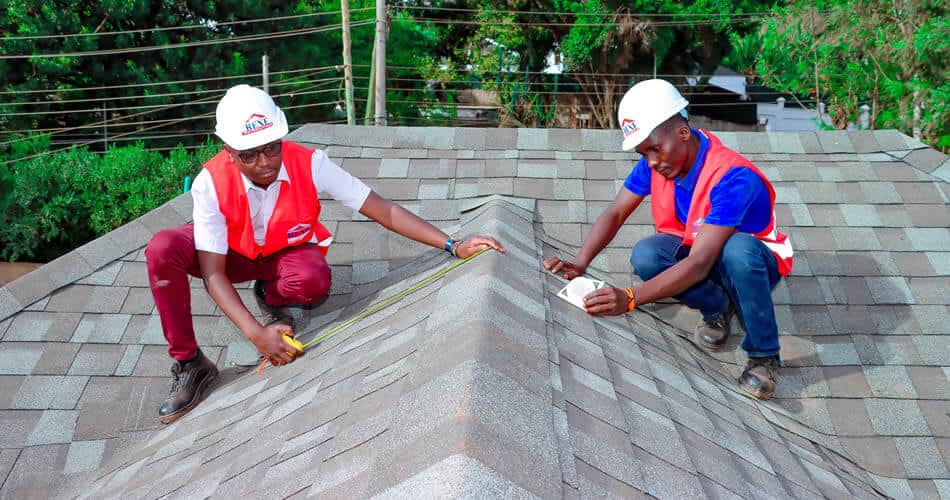
The process of professional long-term tarp installation follows systematic, proven methodologies that ensure maximum protection, optimal longevity, and reliable performance throughout extended service periods. Understanding this process helps homeowners appreciate the expertise and effort involved in creating truly effective emergency roof protection.
Emergency response and initial damage assessment initiates the installation process, often beginning with urgent phone calls from homeowners discovering roof damage during or immediately after storms. Professional emergency roofing companies maintain on-call response capabilities, dispatching experienced crews even during evenings, weekends, and holidays when emergencies occur. Upon arrival, senior technicians or project managers conduct rapid but thorough initial assessments examining visible damage extent and identifying immediate threats, evaluating structural stability and work safety for crews, identifying all compromised roof areas requiring protection, checking for active interior water infiltration, assessing accessibility and special equipment needs, and determining material quantities and configurations needed. This initial assessment, typically completed within 30-60 minutes, provides the foundation for developing effective installation strategies and ensuring crews arrive with appropriate materials and equipment to complete installations without delays.
Comprehensive damage documentation and interior inspection follows initial assessment, providing critical records for insurance purposes and comprehensive understanding of all damage. Professional crews systematically photograph all exterior damage from multiple angles, document interior water damage and affected areas, measure and map damaged sections for precise material sizing, identify and document all roof penetrations within or near damaged areas, and assess underlying structure condition where accessible. Crews also conduct interior inspections entering attics where safely possible to examine roof decking condition, identify water infiltration patterns, check insulation damage, verify structural integrity, and identify any immediate interior threats requiring attention before tarp installation. This comprehensive documentation serves multiple purposes—supporting insurance claims with visual evidence, informing installation planning with complete damage understanding, providing baseline records for monitoring additional damage during the tarp’s service period, and protecting both homeowners and contractors by clearly documenting conditions at the time of emergency service.
Strategic installation planning and material selection transforms assessment findings into actionable installation strategies. Experienced professionals determine optimal tarp placement and configuration considering roof pitch and water flow patterns directing how rain will shed across tarped surfaces, prevailing wind directions in your geographic area that will stress tarp edges, damaged area extent requiring protection plus necessary overlap margins, roof penetrations requiring integration or avoidance, and access points for safe crew positioning during installation. Material selection matches requirements to conditions including tarp size and thickness appropriate for coverage needs and expected service duration, reinforcement requirements based on exposure to wind and weather, anchor quantities and spacing for secure attachment, supplementary materials for edge sealing and weatherproofing, and specialized components for penetration integration or complex roof geometries. Professional contractors maintain inventories of commercial-grade materials specifically designed for long-term emergency applications—heavy-duty polyethylene or vinyl tarps with UV-resistant coatings, reinforced edges with closely-spaced rust-resistant grommets, and appropriate thickness (typically 12-mil minimum, often heavier for extended service) providing durability without excessive weight.
Debris removal and damaged area preparation creates foundations for effective, long-lasting installations. Before tarps can be positioned and secured, professionals systematically clear damaged areas removing loose shingles, nails, and roofing debris that could puncture tarps, extracting or cutting back damaged decking sections creating sharp edges, removing or protecting protruding nails, screws, or fasteners, clearing gutters and drainage paths affected by storm debris, and eliminating hazards including unstable materials, exposed electrical wiring, or structural dangers. This preparation phase, though time-consuming, dramatically impacts installation effectiveness and longevity. Tarps placed over debris-strewn surfaces don’t seal properly, allowing water infiltration around edges. Sharp objects puncture even heavy-duty tarps, creating leak points that progressively worsen. Taking time to properly prepare damaged areas separates professional long-term installations from amateur attempts that fail rapidly despite covering damaged sections.
Systematic tarp positioning and initial securing represents the installation’s most visible and critical phase. Crews carefully position selected tarps following planned placement, ensuring coverage extends well beyond damaged areas—typically 3-4 feet minimum in all directions onto sound roof structure. Positioning accounts for water flow patterns ensuring the tarp’s upper edge tucks under or integrates with intact roofing above damaged sections while lower edges extend over sound materials directing water away. Initial securing involves placing temporary anchor points at strategic locations holding tarps in position while final anchoring systems are implemented, ensuring proper tension preventing excessive slack that catches wind or allows water pooling, and verifying alignment maintains water-shedding orientation across entire covered area. Professional crews work methodically even under time pressure, understanding that proper positioning now prevents failures later that would require complete reinstallation under potentially worse conditions.
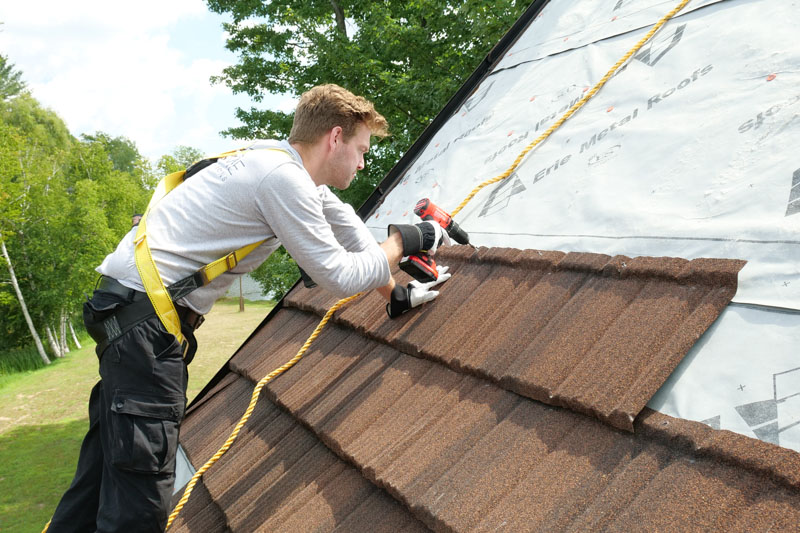
Comprehensive multi-point anchoring installation creates the structural integrity that allows long-term installations to withstand severe weather throughout extended service periods. Professional anchoring systems typically incorporate multiple complementary techniques rather than relying solely on individual fasteners through grommets. Wood battens or furring strips are secured over tarp edges distributing stress across multiple fasteners and preventing individual grommets from tearing out under wind loads. Fasteners are driven through reinforced grommets into solid roof structure—not just shingles but underlying decking or framing—at appropriate spacing determined by expected wind exposure and tarp size. Strategic anchor points at high-stress locations including corners and midpoints along edges receive additional reinforcement. Sandbags or weighted systems may supplement mechanical fastening where minimizing roof penetrations is desirable or where attaching directly to compromised structure isn’t feasible. Professional installers understand that anchoring failure is the primary cause of tarp installation failures, and they engineer systems with substantial safety factors exceeding minimum requirements to ensure tarps remain secure even when extreme weather exceeds initial expectations.
Meticulous edge sealing and weatherproofing transforms secured tarps into truly watertight barriers rather than simple covers. Professionals implement multiple weatherproofing strategies including ensuring tarp edges overlap onto sound roof surfaces beyond all damage with edges oriented to shed water downward not allowing water to run under edges, installing additional sealant beads or strips along critical edges where water concentrates, using supplementary covering strips over exposed fasteners preventing water infiltration at penetration points, creating proper transitions at the top edge where roofwater must flow smoothly onto tarps without backing up underneath, and paying special attention to valley and ridge transitions where water volumes concentrate. The weatherproofing phase requires patience and attention to detail that less experienced contractors often skip, yet it’s absolutely critical for preventing the persistent leaking that plagues inadequately sealed installations. Homeowners whose tarped roofs still leak during rain almost always have edge sealing problems rather than tarp coverage issues—water finds its way under inadequately sealed edges even when damaged areas are completely covered.
Quality verification, documentation, and follow-up monitoring completes professional installations while establishing foundations for ongoing service. Supervisors or crew leaders conduct final inspections verifying all damaged areas are adequately covered with appropriate overlap, all anchoring is secure throughout the installation with no loose or inadequate attachment points, weatherproofing is effective at all edges and transitions, no new vulnerabilities were created during installation, and interior checks confirm no active leaking through the installed protection. Final documentation includes photographs of completed installations from multiple angles, written descriptions of installation scope and materials used, diagrams showing tarp placement and dimensions for future reference, and recommendations for monitoring and maintenance during the service period. Professional companies provide contact information and remain available for follow-up inspections after severe weather, adjustments if initial installations require fine-tuning, and answers to any questions or concerns during the tarp’s service period. This ongoing support distinguishes professional emergency services from contractors who disappear after collecting payment, leaving homeowners to manage any subsequent issues alone.